First, the Recap:
The shattering of what we strive to maintain as reality. It is certainly truthful to state that most, if not all, of us have experienced moments of genuine mental stress. Regardless of what might be the cause, the sheer unsettledness, the pressure that weighs upon us is a tangible force that CAN seem insurmountable. However, more often than not, this is only a temporary , one we can come through and simply move on from. However, what if this condition wasn’t so brief, but instead ALL we knew?
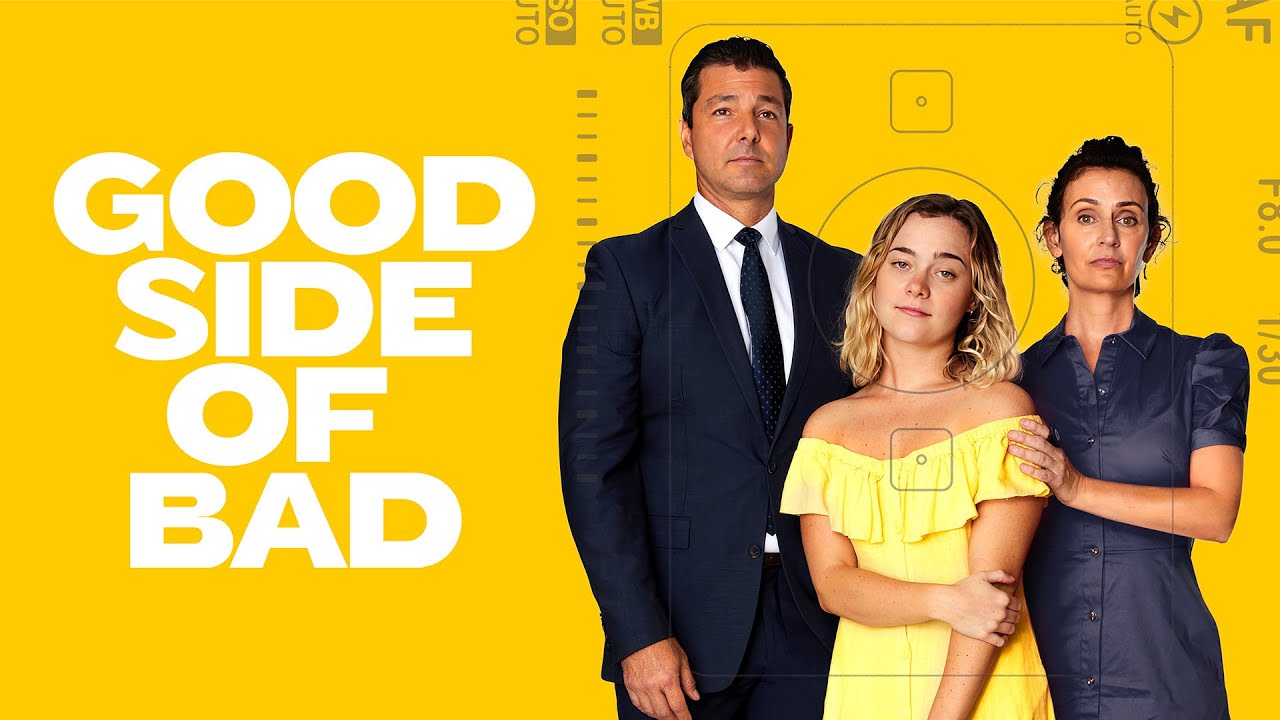
For a young photographer named Florence (Lexi Simonsen), existing each day, even just enduring each moment she is awake and attempting to function, is nothing short of a monumental task. Having to face the actualities of a severe mental ailment which consistently upends her perception of what’s real and what’s not, the most recent emergence of this places her back into the care of her older sister Sara (Jules Bruff) and brother Peter (Alex Quijano), sending them all on a stormy but necessary journey of healing, learning, acceptance, and a long dormant familial bond.
Next, my Mind:
As with many other subject matters the world of film chooses to address, especially amidst the independent ranks, mental health awareness, raising due concern in relation to it, the importance of acknowledging it, and calls for us to be far more consistently mindful about it plus the requisite care those afflicted truly need with genuine compassion and understanding is paramount to this critic. Hence, it is why I was greatly anticipating how this 96-minute feature film, which made its North American debut as an Opening Night selection at the 2023 Dances With Films Film Festival and then available to rent or own via Apple TV as of 01/07/2025, would choose to address this ongoing and compelling issue. The long and short…we are given a highly persuasive, intensely emotional, candidly relevant, and deeply credible portrait of one particular illness, its ramifications, and the fervent power of selfless love, necessary reconciliation, and finding inner peace.
Based on the book “The Good Side of Bad” by author Beverly Olevin and brilliantly brought to life by writer/director/producer Alethea Root, writer Ciera Danielle, writer/producer Jules Bruff, producers Mark David, Connie Jo Sechrist, Katie Von Till, and Jenny Napier, co-producers Myles Grier, Roseanna Stanley, John G. Root, John Kennedy, Veera Mahajan, Beth Von Till, Stephen F. Von Till, Andrew Goodwillie, and Catherine Goodwillie, plus executive producer Cameo Wood, this is once more an example of why independent cinema is THE bastion of HUMAN stories that bring vital topics to us in order that we might never forget just how critical it is to keep such things fresh in our minds and ideally spur us to action because of it. I always applaud efforts like this as such, especially when executed with excellence as is the case here.

Told from the main perspective of a young aspiring photographer who suddenly confronts an excruciating mental collapse that sends her on a spiraling path back to an older sister and bother who become both caretakers and champions (even if one is more reluctant at first) for their younger sibling’s journey to stability, coping, and a healthier life, the pacing with which the narrative carries forward is beautifully unrelenting, sometimes starkly unsettling, then heartbreakingly poignant, then dynamically dramatic. It is, really, a blunt force exercise in showcasing the jarring actualities being encountered by someone who has the specific condition depicted (please watch the film to learn which, as it it more than worth the time investment, folks!), and it is this rawness that allows for the film’s messages about mental health and the imperative nature of addressing it to reverberate then stick with you as the viewer so strongly here.
There is no sugar coating or watering down in effect through this narrative and the portrayal of an admittedly harsh affliction’s symptoms, how it so overtly impacts the person experiencing it AND the people who are those points of care for them. Again, it is this realistic and no-holds-barred approach that is intended, and should elicit the kind of reactions this critic had while watching. Unflinching thematic explorations of anxiety, suicidal thoughts, the resistance in accepting help, denial, anger, lashing out, breaking from the reality of a conspicuous condition, attempting to find release/escape from it, discovering relatable and confiding relationships through shared trauma, rational vs. emotional actions and choices, the snowball effect of desperate struggles, what we can and cannot control, being willing to maintain patience and desire to see someone we love both empathetically and sympathetically come into a better state of mind, and the foundational wonder of familial bonds get their moments over the course of the film, all to magnificently potent magnitudes without seeming melodramatic or overplayed in any form.


The finale is one that MIGHT be expected, but even if so, it doesn’t remotely take away a single iota of the narrative’s energy or significance, and wonderfully displays that quality we also need much more of, both in this film’s context and in general….HOPE. One fact remains undeniably clear for this critic, and that is an absolute tour-de-force performance turned in by Simonsen though her role as Florence, a vibrant young woman whose grasp of what’s real and imaginary drastically hampers her daily existence. When she has a particularly brutal episode that could have been far worse in its results than it ends up being, it sends her into the care of her doting sister and initially frustrated brother who assume responsibility to see their sibling get treatment. Fighting against it or even wanting to conceded her need for any help at all, Florence’s subsequent journey is anything but smooth, yet ultimately holds a realm of liberation inwardly and mentally that will reshape her own life radically, as well as that of her sister and brother.
To say Simonsen guides this character through a veritable maze of every possible emotive state would not even come close to doing justice to the actress’ incredibly realistic performance that oozes degrees of urgency which encompass jolting unease, gut-wrenching anguish, heartening (though often purposefully muted) joy, and everything in between. This cannot be easy to enact such volatility and do so without overacting it, and Simonsen accomplishes this with poise and determined, often explosive but then tempered fervor so accurately illustrating the condition being portrayed. Truly impressive! Bruff is a study in controlled vitality and burning spiritedness through her turn as Sara, Florence’s sister who is the first to be there for her seriously struggling sibling, but who also learns quite quickly that caring for someone suffering from the form of mental condition Florence has is anything but easy, beleaguered even as her own life begins to slump. However, Sara’s choices made to become an unyielding bastion of hope, love, and acceptance for Florence is inspired.

Bruff so adeptly navigating her character through the hurricane of upheaval and steadfast belief in compassion with superb vigor. Quijano brings a totally different demeanor into the picture through his role as Florence’s brother Peter, a successful career man whose really just focused on living his best L.A.-based life until the news of his little sister’s plight comes around, forcing him away from comfort and into a completely tumultuous situation. Seemingly the one in the family whom Florence doesn’t wish to entertain, Peter’s initial tries at reconnecting with her at all are more antagonistic than helpful, even as he also must deal with their dementia-stricken mother. But, as events unfold, Peter may actually be the second biggest transformation that occurs, and Quijano plays this dichotomy of perspectives on things with equal amounts of understated poise paired with instances of ardor that befit his character’s ability to be one we might actually NOT like at times, but ultimately support and cheer for in his newfound magnitudes of appreciation and connection with Florence. A great performance all-around.
Primary supporting turns arrive first from Myles Grier as Dennis, a troubled man Florence meets in a care facility and with whom she finds a deep, needed bond with, though whether for good or not still remains to be seen. Tess Harper is Mary Ellen, the siblings’ mother who fights against her own reality with dementia, not grasping all that is occurring even when Peter especially attempts to keep her awareness in the present. Additional key/other supporting performances, all executed absolutely wonderfully for each character’s place in the narrative, come through Kim Estes, Mildred Marie Langford, Sadie Stratton, Tiffany Jeneen, David Haydn-Jones, Katie Von Till, Hope Shapiro, Connie Jo Sechrist, Emma Von Till, Sebastian Dufraine, Clyde J. Bruff, Jennifer Sorenson, Mark McClain Wilson, Jodi Fung, Gloria Gruber, Joanne Verbos, Zack Haas, Vanoy Burnough, Grant Fieldgrove, Jared Trevino, Jeff Pride, Anthony Ruggieri, Astrid Ferrie, Jillian Moray, Kathryn Hollis Peters, Adriene Mishler, Kelly Pendygraft, Johnny Dowers, Perry Daniel, Bruno Oliver, and Timothy Malm. Truly, ensemble casts are amazing. “Bravo!!” to you ALL.

Read the rest of the review on One Film Fan.
Comments