Category: Topic / Theme
-

‘Swan Song’ is a Scattered But Sincere Story of Small-Town Redemption
Udo Kier takes center spotlight in ‘Swan Song’ as Pat Pitsenbarger, a gay beautician who comes out of retirement for one last job and rediscovers himself along the way.
-

Why Pit ‘Alien’ Against ‘Aliens’ When Ripley is Great in Both?
Ripley is a great character because she serves two distinct, but rewarding, purposes in the original film and the sequel.
-
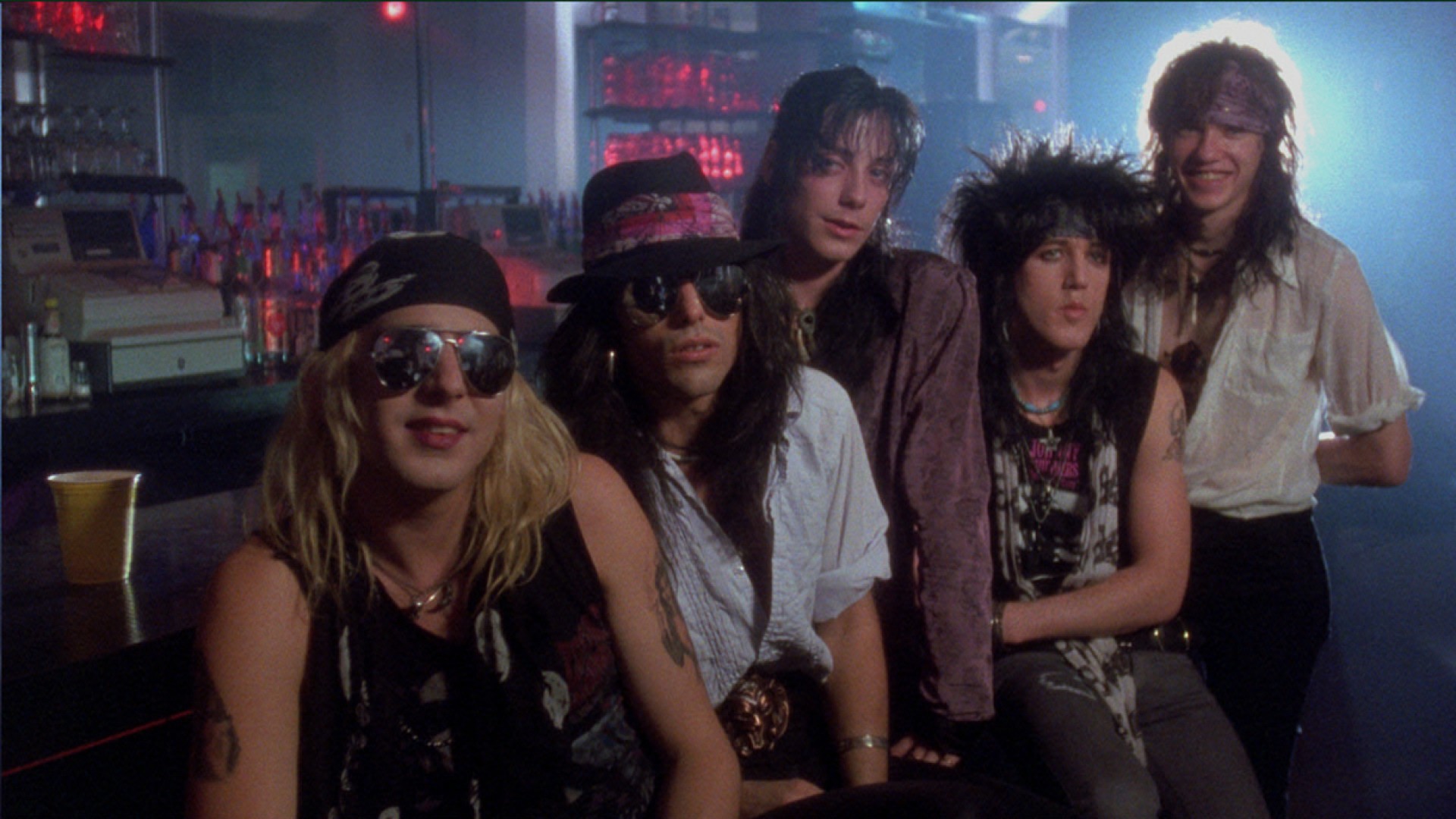
The Best Shots of the Heavy Metal Documentary, ‘The Decline of Western Civilization Part II: The Metal Years’
The film is a documentary focusing on heavy metal in the late 80s and tackles topics like drug addiction, alcoholism, sex, masculinity, and of course, rock and roll. However, this didn’t feel like any documentary I’ve ever seen before.
-
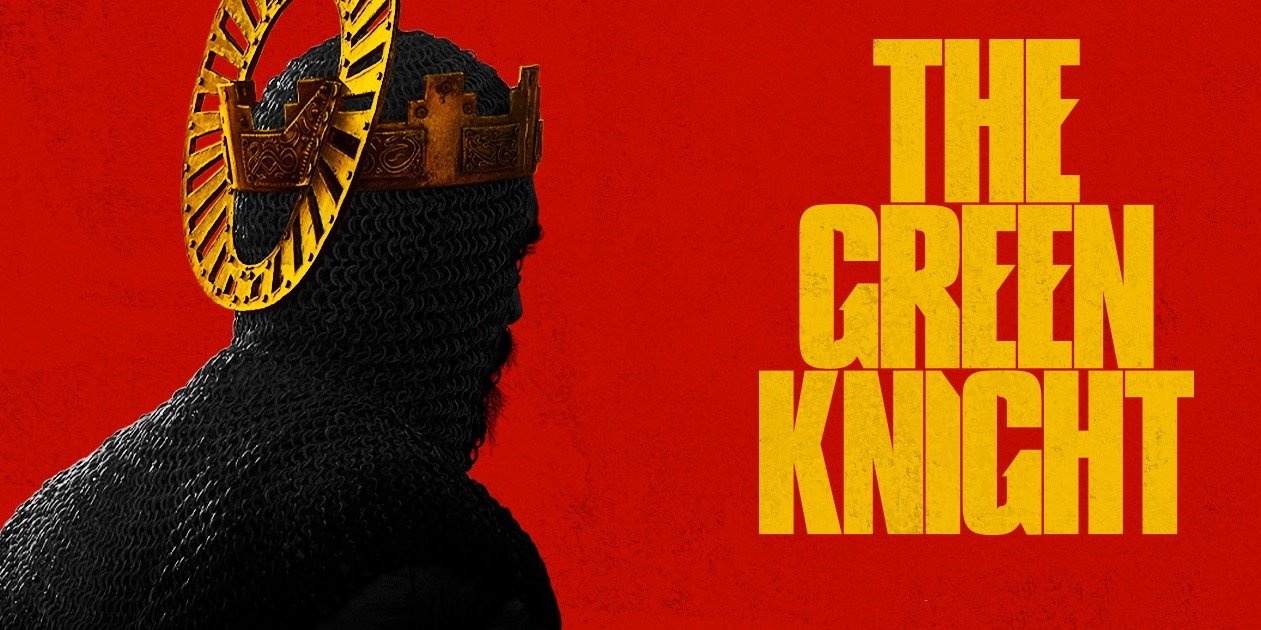
Wait, Did ‘The Green Knight’ Need To Be That White?
Why is ‘The Green Knight’ so white? People of color are so removed from the origins of 13th century art. We’re looking toward the future, and part of that should be updating aspects of our stories to mirror those evolutions.
-

‘Legally Blonde’ Was a Woke Feminist Comedy — Then It Kind of Wasn’t
‘Legally Blonde’ remains a standard of feminist filmmaking over two decades after its release, although its poor treatment of racial and sexual minorities make it a product of its time.
-
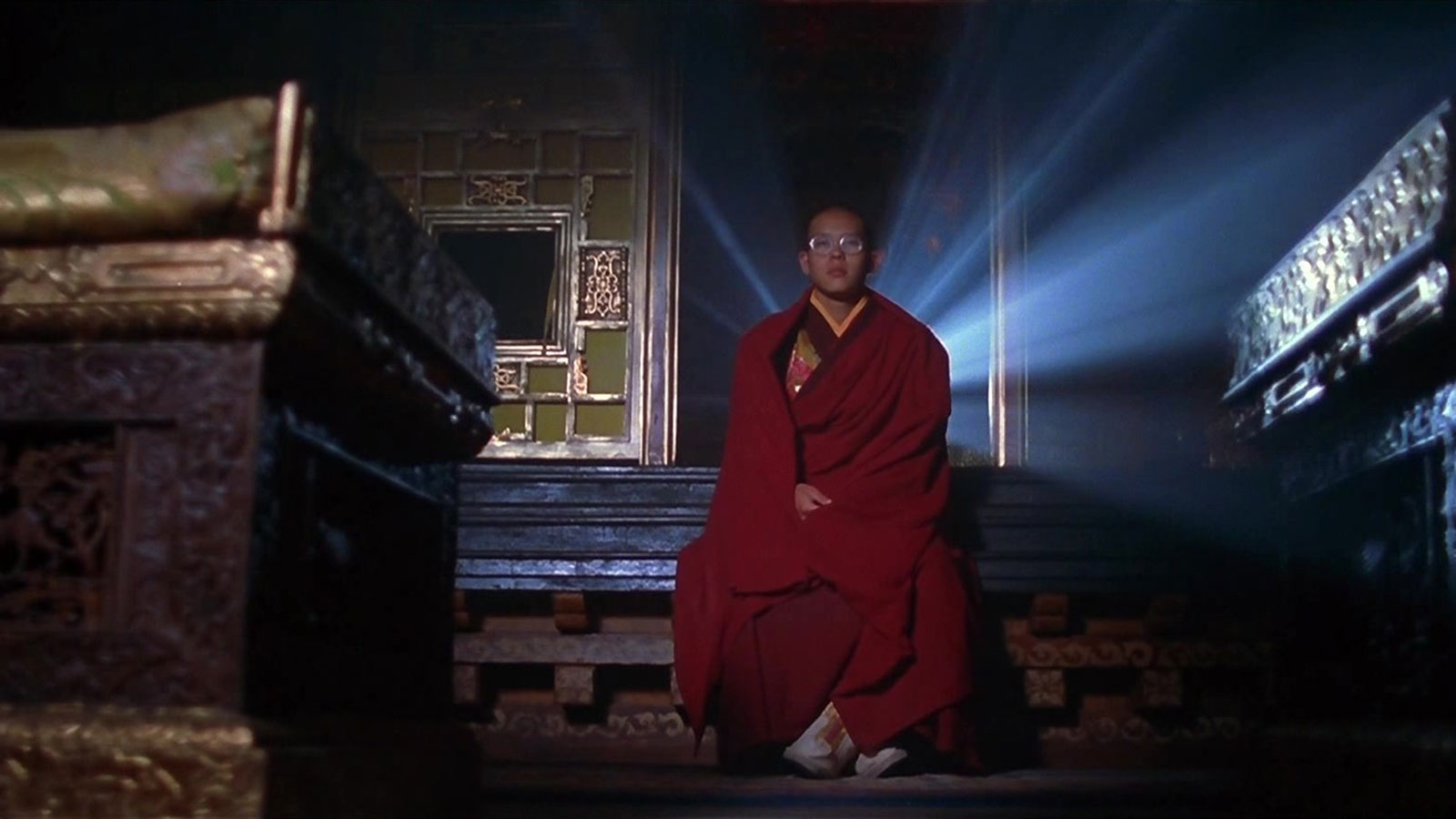
Martin Scorsese’s ‘Kundun’ is a Must Watch for Dharma Day
Director Martin Scorsese broadens his boundaries from mafia-driven movies, to a Buddhist biopic of the 14th Dalai Lama. While Buddhism strives for peace, ‘Kundun’ reveals the violence inflicted on Tibetan Buddhists and Scorsese’s depiction of violence does not stray away.
-
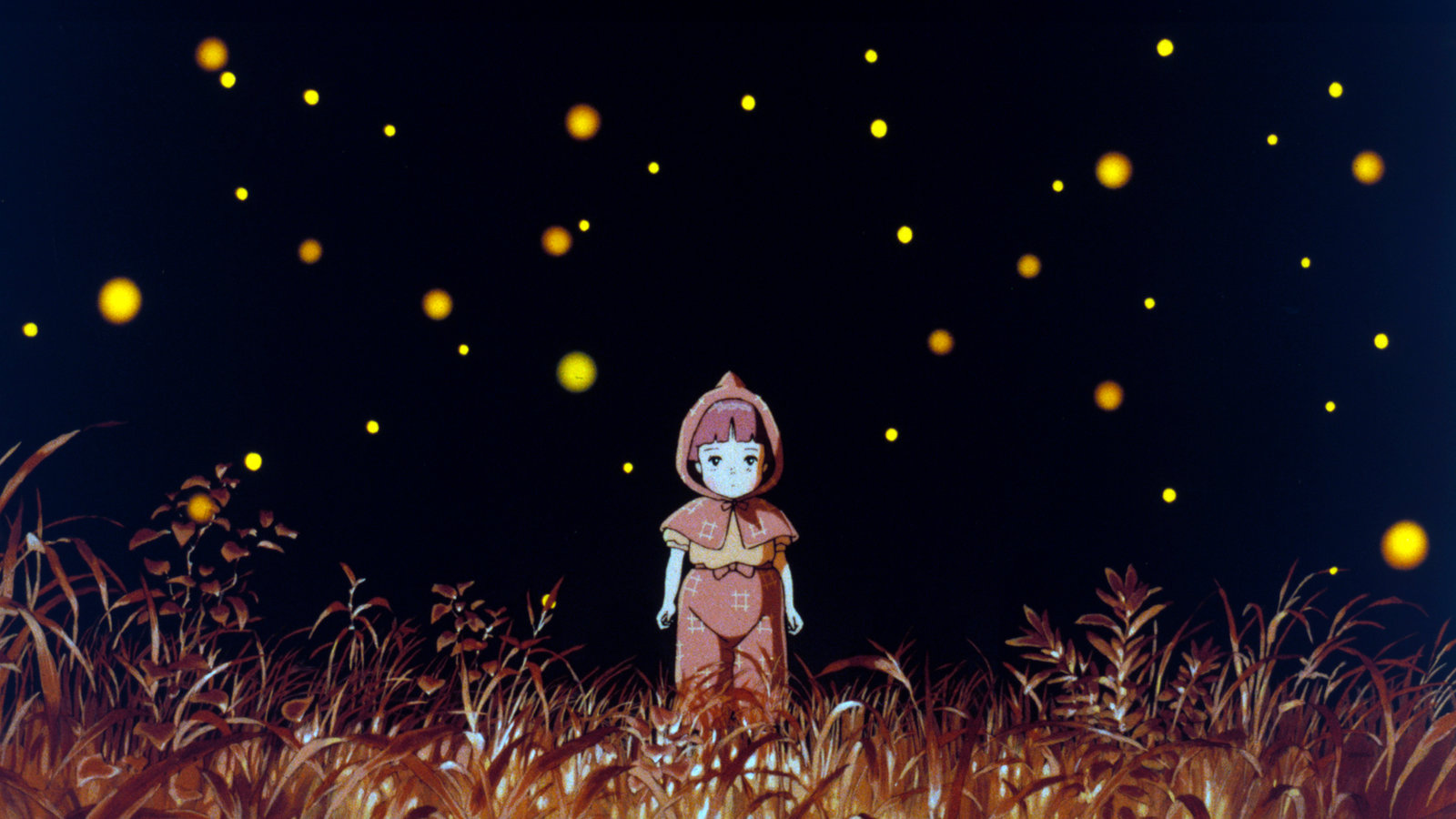
‘Grave of the Fireflies’ is a Brutal, Heartbreaking Story of War
What seems like such a simple story of survival is so much more than that—it’s a story of family, and of war, and of destruction. It’s painful to watch, but not in a bad way. It makes its audience reflect on their own actions, and in how they are complicit in the sufferings of others…
-
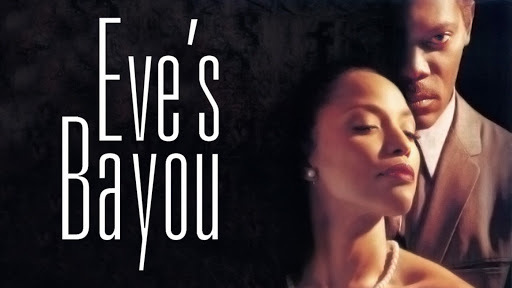
‘Eve’s Bayou’ Brings Post-Memory Towards West-Indian Culture
In an all-black community in Louisiana, a young girl learns her father has committed infidelity and turns to hoodoo to seek justice.
-

‘Monster’: Young, Black, and On Trial Means Guilty in Most Cases
Monster’s plot is built around Steve Harmon’s false accessory to felony murder accusation, and the anxiety and desperation experienced by him during incarceration and the corresponding trial.
-
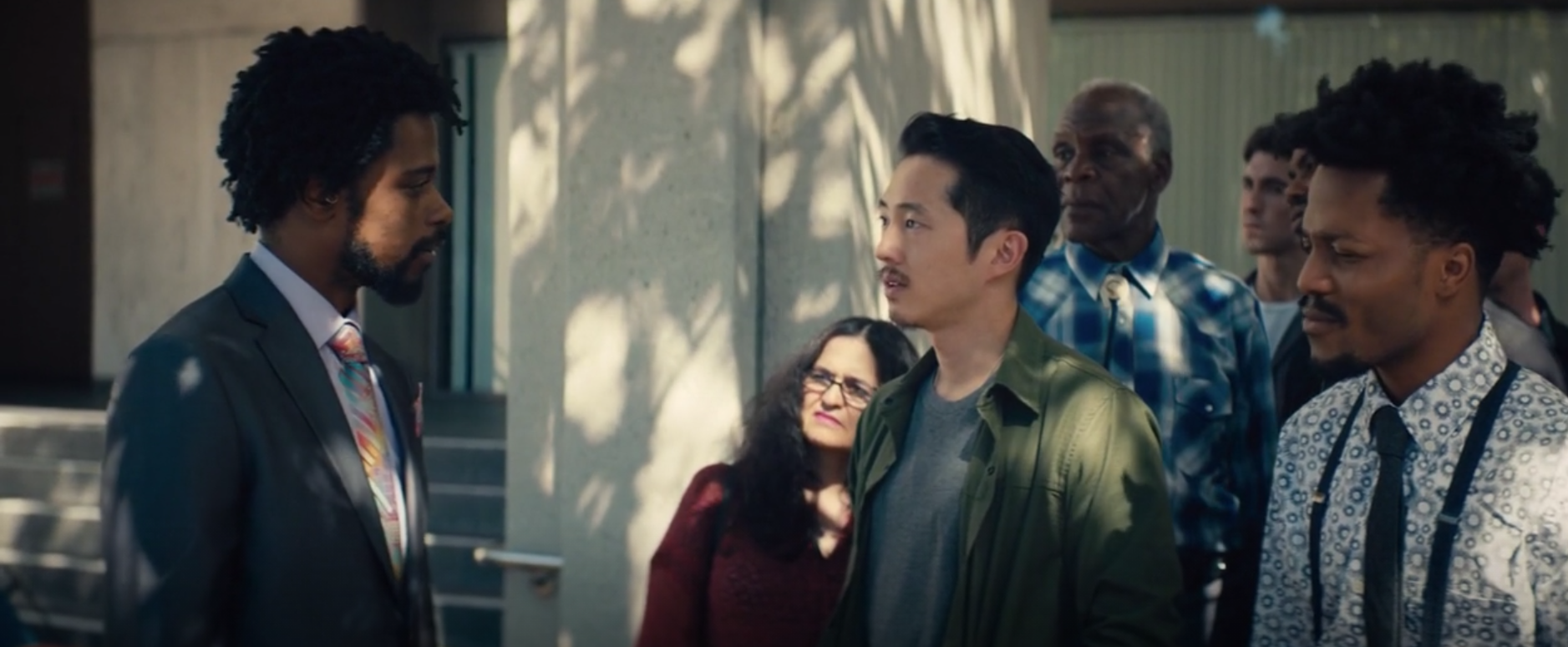
Who Needs ‘Independence Day’ When You’ve Got ‘Sorry to Bother You’?
Sorry to Bother You ultimately speaks to the unfair advantages that the country’s power structures award to those with the resources to control others, as Lift’s easy access to the media allows his opinion to be the only one that matters in the eyes of the unsuspecting and easily impressed public. Moreover, it reveals the…