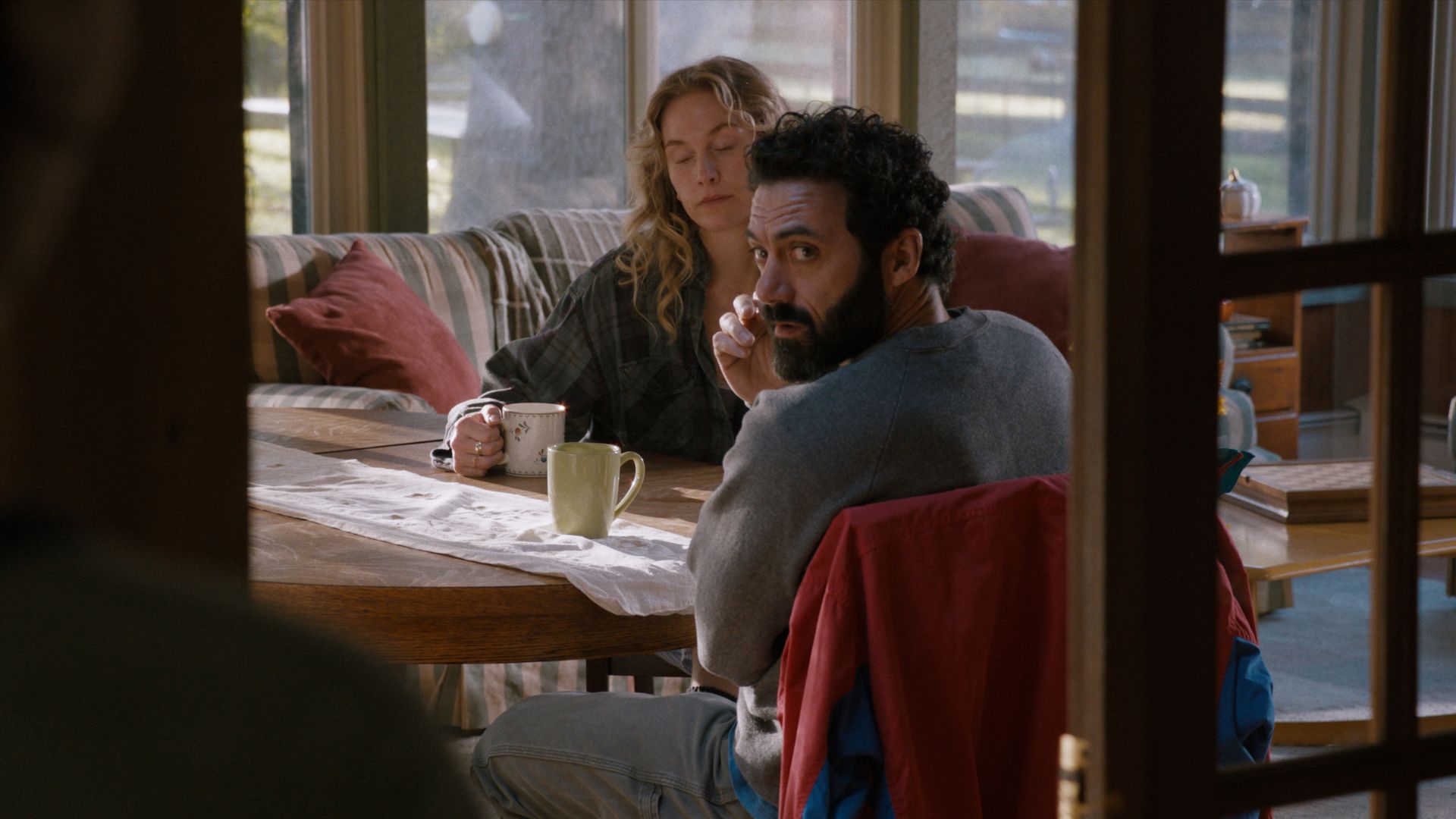
Fall is one of the most underrated times of year. The leaves start to change color, the weather is perfect for sitting on the patio, and there’s countless seasonal activities to partake in. For Caity and her father, autumn means it’s time to open their family-run haunted house. Caity tells the story of one such October when Caity is sixteen, her father is newly sober, and a pretty new girl shows up to work for the season.
I watched this movie as part of the Reeling Film Festival, an international LGBTQ+ film festival in Chicago. If you’re just tuning in, make sure to catch up on all of my coverage!
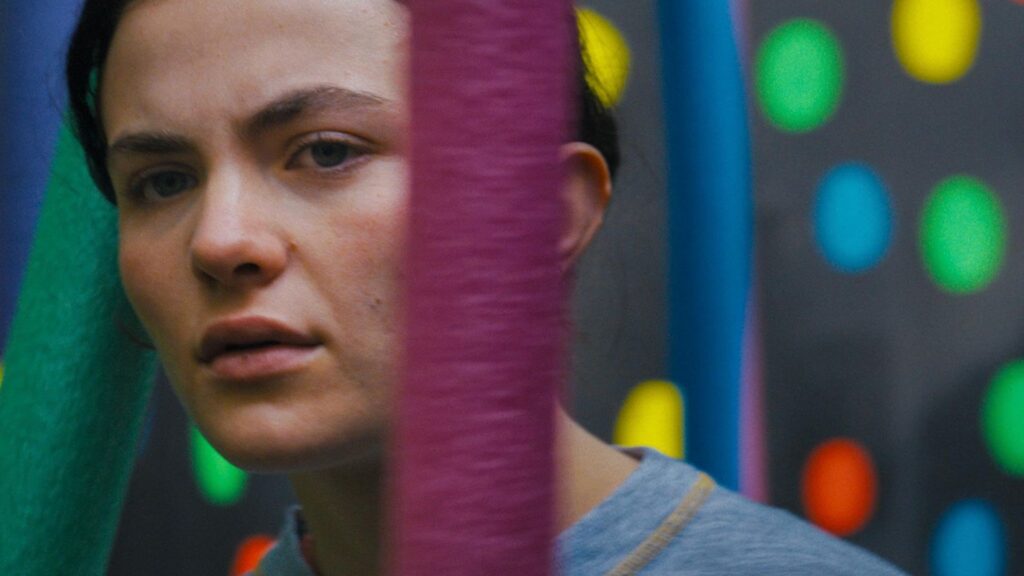
This was a beautiful feature-length directorial debut. Lindsay Calleran painted a vibrant picture of both the upstate New York landscape and Caity’s interiority as a teen girl coming into adulthood. The film employs intriguing techniques, overlaying certain scenes with close-ups of Caity’s face that serve to emphasize exactly what she is feeling in that moment.
For her part, Chiara Aurelia did a fabulous job portraying the titular character. Her role was difficult—Caity keeps her feelings pressed down, so there isn’t a lot of dialogue to explain what’s going on. Instead, Aurelia shows Caity’s love for her father (Morgan Spector) through worried glances and her blossoming crush on Hannah (Jordan Hull) in shy smiles and jealous stares. As could be expected, Caity is the heart of Caity. Aurelia made the film shine and left me theorizing about where Caity would go after the film came to an end.
Caity’s father, Paul, starts the film sober and references Alcoholics Anonymous (AA) meetings, but it isn’t long before Caity grows suspicious. She starts checking the smell of his soda bottles and watching his every move closely. Caity is far too young to be worried about the adults in her life, but she is anyway. It’s heartbreaking to see the pain addicts (often unintentionally) wreak on the people around them.
Caity’s pain is a warped reflection of her older sister Dayna’s learned indifference. Whereas Caity gets closer to her father in an attempt to help him, Dayna (Olivia Rouyre) pushes everyone away to protect herself. It’s easy for people watching to realize Dayna’s attitude is a coping mechanism, but Caity can’t quite see it the same way. She’s colored by her love for her father, love that Dayna can no longer feel as purely because of all of the times he’s let her down.
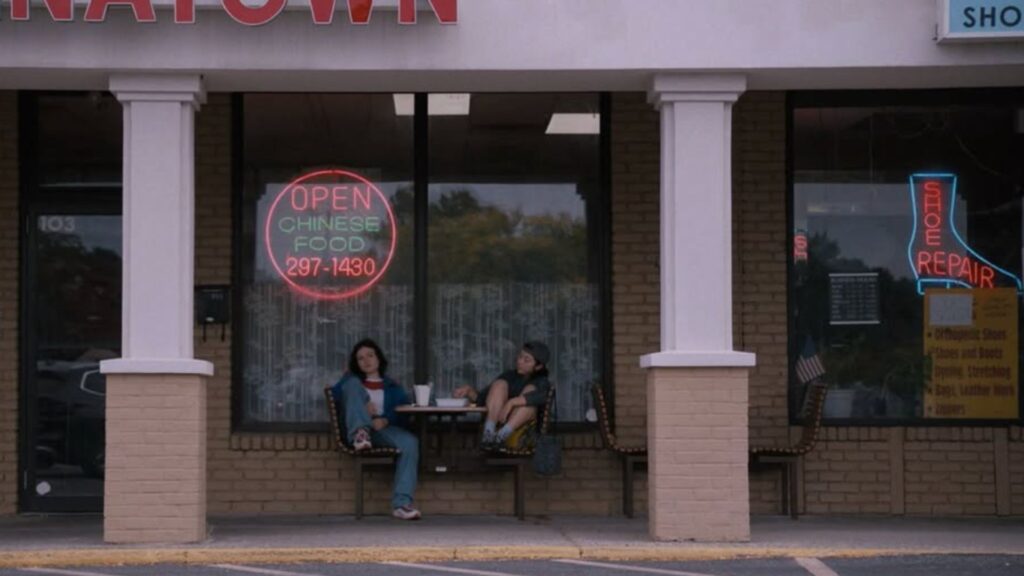
Nearly the entire movie takes place at the family haunted house. It’s where Paul unravels and where Caity meets her summer crush, Hannah. Hannah is a fellow daughter of an alcoholic, but more importantly she’s funny and beautiful and excited to have a good time with Caity. The jealousy Caity feels when two high school boys show up to take Hannah’s attention is incredibly relatable for any queer teen. In this case, it seems like Hannah might feel the same way, but the film smartly stays in Caity’s point of view, forcing the audience to wonder if we, too, were tricked by Hannah’s earlier affection.
At the end of the day, every part of the movie is backgrounded to the importance of family. There’s teenage romance, but Caity isn’t allowed to live in the 16-year-old summer she’d planned. Even Caity’s fight with her best friend is more about the lengths she’ll go to protect her father than it is about the friendship itself. I found this just as powerful as it is heartbreaking.
More than a coming-of-age story, Caity is a movie about losing the naivety of childhood before you’re ready to. It’s a film about grieving the person you thought you knew, and watching your season of adolescence come to an end.
Comments