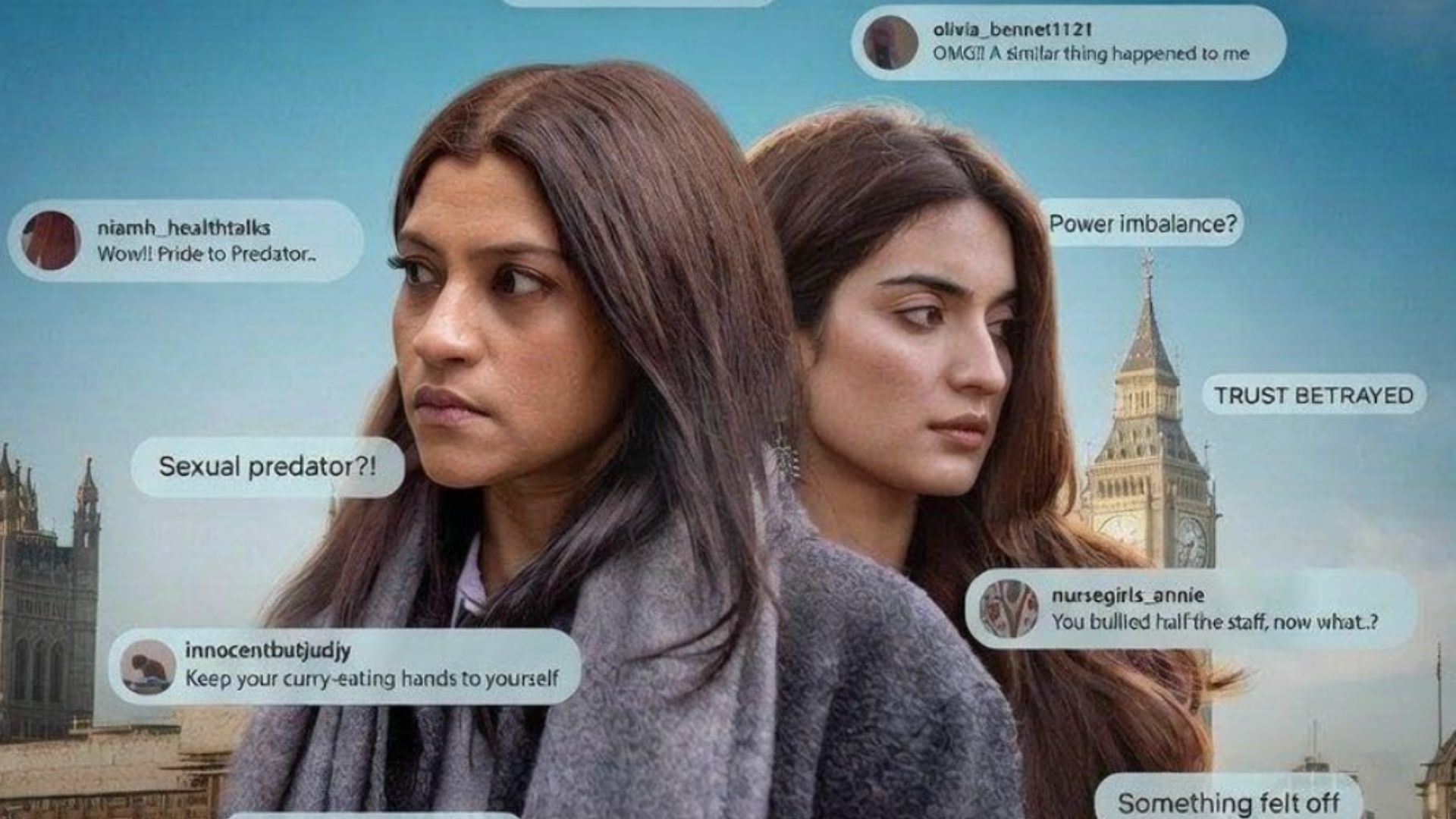
Geetika is a powerful doctor who has worked hard to make a reputation for herself. Now, she seemingly has it all—a job promotion to Dean, a beautiful wife named Meera, and a baby on the way. In Accused (2026), Geetika’s carefully crafted life comes tumbling down after she’s accused of sexual harassment in the workplace by a series of anonymous emails and social media posts.
As an Indian lesbian living in the United Kingdom, the cards are stacked against Geetika from the start. One of her coworkers states that she has a “harsh tone” which leads to 50% of her subordinates quitting in her department. It’s easy to see how these feelings could be the result of sexism and racism; men are quick to call women a “bitch” in the same situation they’d call a man “confident”. At times, though, Accused seems to undermine its message by giving Geetika qualities that make her, if not guilty of sexual harassment, guilty of not being a nice person.
As a result, it’s easy for us, as the audience, to assume Geetika’s guilt. She doesn’t handle her authority well, bullying those below her and ridiculing subordinates who make mistakes. Although it’s not explicitly stated in the text, the actress that plays Meera, Pratibha Ranta, is 20 years younger than Konkona Sen Sharma. Age gaps may not be inherently problematic, but after finding out she also dated one of her interns, the trend raises potential red flags.
Perhaps the most egregious part of Geetika’s personality, however, is the way she handled her fight with Meera. When Meera finally decides to assert her independence and force Geetika to give her answers, she launches into a cruel tirade that twists the truth and blames Meera, claiming that the younger woman is actually using Geetika for a life of comfort. The absurdity of this, given that Meera is also a working doctor, sets Geetika up to be the villain.
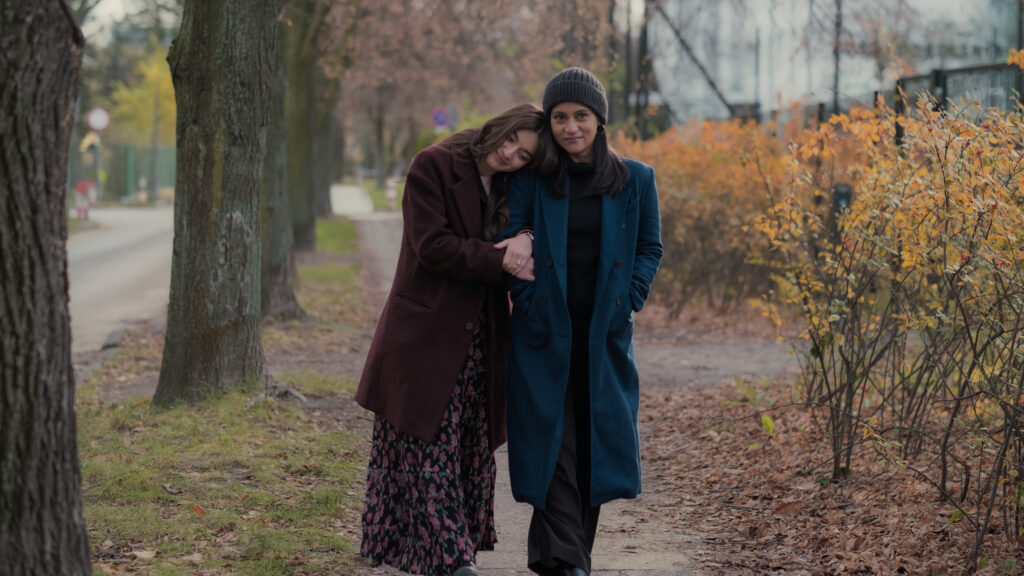
Geetika’s race, gender, and sexuality are far from accidental. The woman who does eventually go on record to accuse her is white and (presumably) straight. Carol has the privilege of knowing her word will be believed despite the lack of proof. Geetika, as an Indian lesbian, is never going to be given the benefit of the doubt. Her negative characteristics are the first things anyone will think of. For Carol and the white doctors, they assume correctly that they’ll get a second chance.
Watching this film did raise quite a few moral questions for me. I found myself rooting against Geetika, hoping she would get humbled and learn a lesson so that she could fix her behavior. I didn’t despise her the way I would if she were a man, but I still wanted her to fail. The problem is, though, if Geetika were a man she’d never be in the situation of being accused to begin with. White men would have to do so much worse to face even a portion of the consequences. Does that mean I should have more grace for women than I do for men, as a way of resetting the scales?
Accused had all of the pieces to be a great movie: hot lesbian doctors, an anti-establishment plot, and mystery that had us doubting the reliability of the primary protagonists. Unfortunately though, a lot of the potential setup did not pay off. The film ended with a long girlboss monologue that felt more cringeworthy than inspirational. It was reminiscent of America Ferrera’s Barbie monologue, but this time with a #MeToo bend. That did take my rating down a bit and hurt what was otherwise an interesting story.
I enjoyed the acting throughout the film and would like to see what Konkona Sen Sharma and Pratibha Ranta do next. In the small moments where everything was good in their relationship, there was real chemistry and it would be fun to see them explore a queer storyline with slightly more positivity and romance in the future
If you’re sick and tired of coming out narratives but want to watch a lesbian movie, Accused could be the perfect choice. It’s a great mix of drama and mystery, just be ready for a very 2010s ending.
Comments